русский
 English
 français
 español
 português
 العربية
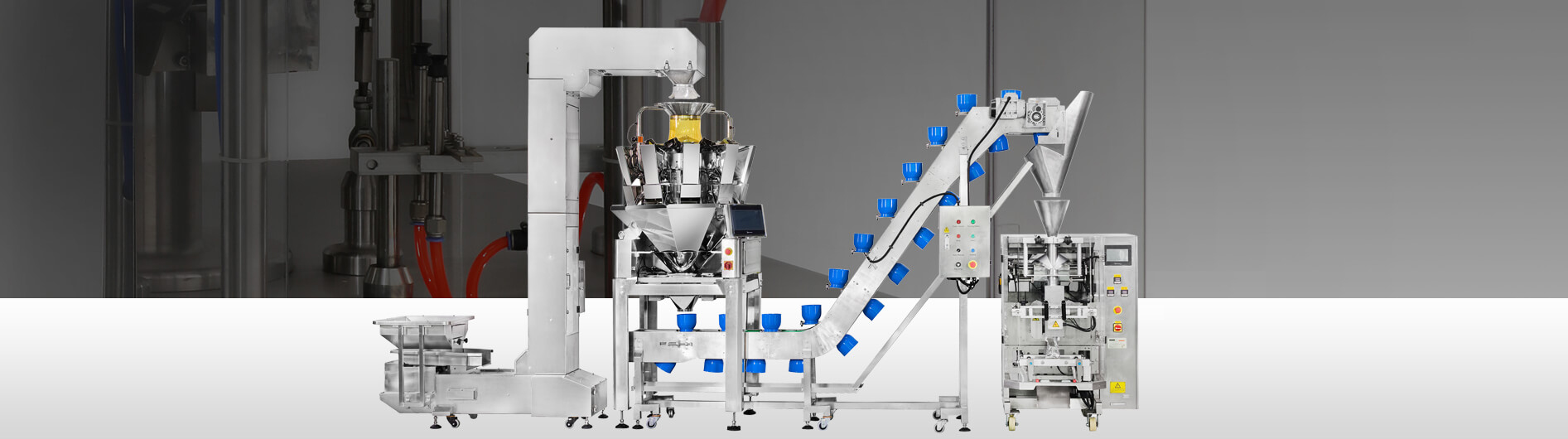
Взвешивание солений, свежего мяса, горчицы, каперсов и других липких продуктов может представлять собой сложную задачу для стандартного весового оборудования. Выбор подходящих многоголовочных весов для липких продуктов требует не только учета количества весовых головок или максимальной скорости. Необходимо учитывать характеристики продукта, конструкцию бункера, требования к очистке, целевой вес и производительность.
В этом руководстве объясняются ключевые факторы, которые следует учитывать при выборе многоголовочных весов для солений, свежего мяса и других продуктов, с которыми трудно работать.
Почему липкие продукты так сложно взвесить?
В отличие от сыпучих продуктов, таких как зерновые или сухие закуски, липкие продукты не всегда плавно перемещаются через систему взвешивания.
К числу распространенных проблем относятся:
Для таких применений особенно важны конструкция поверхности бункера и разгрузочного отверстия.
1. Выберите подходящую поверхность бункера.
Бункер — один из важнейших компонентов при взвешивании липких продуктов.
В обычных бункерах с гладкой поверхностью могут скапливаться такие продукты, как соленья, кусочки мяса или маринованные овощи. Это может привести к образованию остатков продукта и повлиять на точность последующих циклов взвешивания.
Бункер с рифленой поверхностью предназначен для уменьшения прилипания продукта. В сочетании со скребковым механизмом он также может помочь удалить остатки материала из бункера.
Поэтому для липких и влажных продуктов бункер с углублениями или скребком может быть более подходящим, чем стандартный гладкий бункер.
2. Рассмотрите характеристики продукта.
Не все липкие продукты ведут себя одинаково.
Перед выбором многоголовочных весов следует учесть следующее:
Например, соленья могут содержать рассол, а свежее мясо — влагу и жир. Горчица имеет гораздо более высокую вязкость, чем твердые продукты.
По возможности, систему взвешивания следует тестировать с использованием реального продукта.
3. Проверьте требуемый диапазон взвешивания.
Еще одним важным фактором является целевой вес упаковки.
Многоголовочные весы должны обеспечивать подходящий диапазон взвешивания для ваших товаров и размеров упаковки. Для небольших розничных упаковок может потребоваться всего несколько граммов, в то время как для более крупных упаковок для предприятий общественного питания может потребоваться несколько сотен граммов и более.
Например, комбинированные весы Dimple 14 Head Computer Combination Weigher от UUPAC имеют диапазон взвешивания приблизительно 5–600 г, что делает их подходящими для многих небольших и средних упаковок продуктов питания.
4. Обратите внимание на скорость производства.
Скорость производства должна соответствовать вашим фактическим требованиям к упаковке.
Машина с высокой теоретической скоростью не обязательно является лучшим выбором, если продукт сложен в обращении. Для липких продуктов могут потребоваться иные условия эксплуатации, чем для сухих, сыпучих продуктов.
Фактический результат зависит от таких факторов, как:
Весы Dimple 14 Head Weigher от UUPAC могут достигать скорости до примерно 60 упаковок в минуту, в зависимости от области применения.
5. Уделяйте внимание чистоте и гигиене.
Очистка особенно важна при обработке мяса, солений, соусов и других влажных продуктов.
При проектировании подходящих многоголовочных весов для липких продуктов следует учитывать вопросы очистки и гигиены.
К важным факторам относятся:
Например, весы UUPAC Dimple 14 Head Weigher имеют класс защиты IP65, что помогает защитить оборудование от воды и пыли во время производственных и очистных работ.
6. Учитывайте точность и возможность раздачи продукции.
Небольшое переполнение каждой упаковки может привести к значительным потерям продукта со временем, особенно при обработке дорогостоящих ингредиентов, таких как мясо или импортные продукты питания.
Комбинированные весы используют несколько весовых головок для расчета подходящих комбинаций весов и достижения целевого веса.
Весы UUPAC Dimple 14 Head Weigher предназначены для высокоточного взвешивания и могут обеспечивать точность до приблизительно ±0,1 г в зависимости от продукта и условий эксплуатации.
Какие липкие продукты можно взвешивать с помощью многоголовочных весов Dimple?
Многоголовочные весовые дозаторы с углублениями обычно используются для взвешивания липких, влажных, неровных или трудновыгрузимых продуктов.
Типичные области применения включают:
Однако рекомендуется проводить тестирование продукции, поскольку влажность, вязкость, размер частиц и липкость могут значительно различаться у разных продуктов.
Почему стоит выбрать весы для взвешивания головки Dimple 14?
Для производителей продуктов питания, работающих со сложными продуктами, весы Dimple 14 Head Weigher сочетают в себе множество функций, разработанных специально для работы с липкими продуктами.
К его основным характеристикам относятся:
Механизм с углублениями и скребком имеет особое значение, поскольку он решает одну из главных проблем взвешивания липких продуктов: остатки продукта.
Заключение
Выбор многоголовочных весов для солений, свежего мяса и липких продуктов требует тщательного учета характеристик продукта, конструкции бункера, диапазона взвешивания, скорости производства, требований к очистке и точности.
Для сыпучих продуктов может быть достаточно обычных многоголовочных весов. Для липких или влажных продуктов более подходящим решением могут стать многоголовочные весы с рифлеными бункерами, которые помогут уменьшить прилипание продукта и улучшить выгрузку материала.
Перед покупкой рекомендуется протестировать ваш продукт и подтвердить необходимый диапазон взвешивания, скорость, точность и требования к очистке. Это гарантирует, что выбранные весы будут соответствовать вашей производственной линии, а не просто будут выбраны на основе их технических характеристик.
Часто задаваемые вопросы
1. Какой многоголовочный весовой дозатор лучше всего подходит для липких продуктов?
Многоголовочный дозатор с скребковыми бункерами и углублениями подходит для многих липких, влажных и неоднородных пищевых продуктов.
2. Может ли многоголовочный весовой автомат взвешивать соленые огурцы?
Да. Многоголовочные весы для солений могут работать как с целыми, так и с нарезанными огурцами, особенно если конструкция бункера предотвращает прилипание.
3. Какие продукты может обрабатывать многоголовочный весовой дозатор Dimple?
Он может взвешивать такие продукты, как соленья, каперсы, свежее мясо, горчицу и маринованные овощи.
4. Насколько точны многоголовочные весы для взвешивания липких продуктов?
Точность зависит от продукта и конфигурации оборудования. Весы Dimple 14 Head Weigher от UUPAC могут обеспечить точность до приблизительно ±0,1 г в подходящих условиях.
5. Как выбрать многоголовочные весы для липких продуктов?
Перед выбором оборудования следует учитывать липкость продукта, влажность, целевой вес, скорость производства и требования к очистке.

Адрес : No.1 Jinan Road, Shuangfeng Development Zone, Hefei City, Anhui Province, China
Вы можете отписаться в любой момент. Для этого, пожалуйста, найдите нашу контактную информацию в официальном уведомлении.


 Поддерживается сеть IPv6